
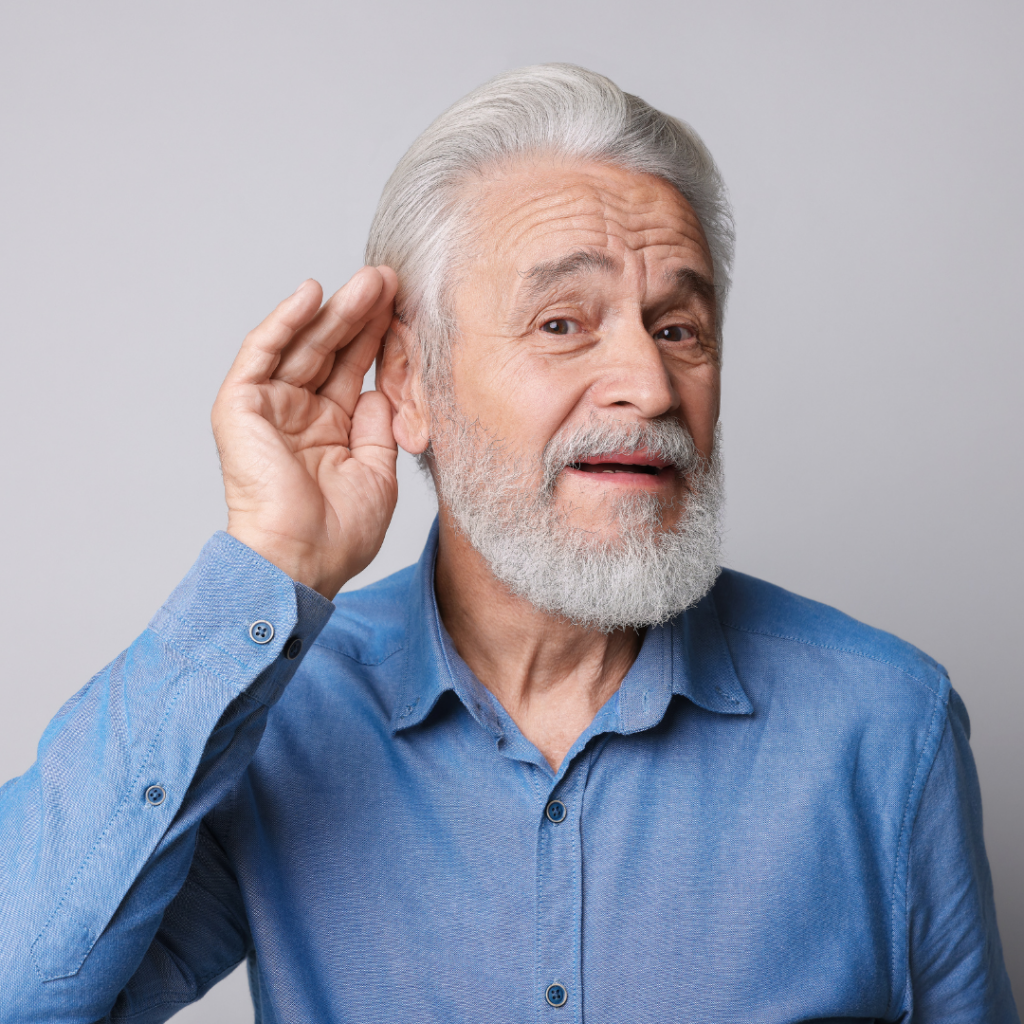
The sudden loss of auditory sensitivity in one ear is frightening and frequently leaves patients unsure of how to seek care. We deliver urgent diagnostic hearing tests and partner with otolaryngologists to ensure comprehensive medical intervention when hearing drops rapidly. Sudden hearing loss always requires immediate attention from a hearing specialist to explore treatment or hearing rehabilitation when needed.
Is Sudden Deafness in One Ear Considered a Medical Emergency?
Indeed it is. A sudden hearing loss affecting one ear must be addressed as a true medical emergency, especially if it unfolds across hours or several days. Known medically as sudden sensorineural hearing loss or sudden deafness, this emergency involves the sensory labyrinth or central auditory neural pathways. It standardly presents without physical discomfort, often being erroneously dismissed as simple earwax impaction or sinus congestion.
Common clinical manifestations include:
- A sudden decline in unilateral sound perception or vocal intelligibility
- Difficulty hearing through one ear during a phone call
- An audible popping sound or intense feeling of aural fullness preceding the auditory decline
- Newly acquired tinnitus presenting as high-pitched ringing, clicking, or roaring in that ear
- Onset of rotational vertigo, postural instability, or general disequilibrium
Do not wait for hearing to restore on its own. Reach out immediately to our audiology office, an urgent care facility, or an otolaryngologist for same-day evaluation.
The Critical Importance of Immediate Medical Care for Sudden Hearing Loss
Early evaluation matters because treatment for sudden sensorineural hearing loss is generally most useful when it begins promptly. We first differentiate whether the condition represents a conductive loss from cerumen or fluid, or a true sensorineural loss involving the inner ear or vestibulocochlear nerve. Even though conductive blockages and neural losses present with similar symptoms, they demand radically distinct medical protocols.
Performing physical otoscopy alongside a diagnostic hearing test confirms the exact classification, frequency configuration, and decibel severity of the hearing loss.
Pursue immediate hospital emergency assessment if your sudden hearing loss coincides with:
- Unilateral facial paralysis, localized weakness, or facial numbness
- Dysarthria (slurred speech), acute cognitive confusion, or an atypical, severe headache
- Unexplained diplopia, syncopal episodes, or severe physical difficulty walking
- Sudden chest pain or clinical hallmarks of a systemic medical crisis
Such presenting symptoms frequently indicate a major cerebrovascular or neurological emergency that demands immediate emergency room evaluation.
Clinical Causes and Mechanisms Behind Sudden Hearing Loss
In a large majority of sudden sensorineural hearing loss cases, diagnostic testing reveals no identifiable definitive etiology. When diagnostic testing isolates a specific trigger, it generally involves cochlear inflammation, physical trauma, compromised vascular perfusion, autoimmune dysfunction, or neural pathology.
Documented clinical etiologies include:
- Viral cochleitis or secondary bacterial infections
- Head trauma or exposure to an intense sound
- Autoimmune inner ear disease or systemic inflammatory disorders
- Pharmacological ototoxicity resulting from specific clinical medications
- Acute circulatory compromise or cochlear microvascular infarction
- Peripheral inner ear pathologies such as classic Ménière’s disease
- Central nervous system conditions, such as progressive multiple sclerosis
- A growth on the hearing and balance nerve
Because the difference cannot be confirmed by symptoms alone, prompt examination and audiologic testing are important.
Evidence-Based Therapies for Sudden Sensorineural Hearing Loss
Systemic or topical corticosteroids represent the standard clinical intervention for idiopathic sudden sensorineural hearing loss. These medications may be prescribed orally or delivered through intratympanic injections across the tympanic membrane to access inner ear fluids directly. Treatment decisions are formulated in collaboration with our team, carefully weighing post-onset timing, loss severity, medical contraindications, current medications, and pharmacological risks.
Corticosteroid therapy is standardly initiated within the first two weeks post-onset, making it vital to commence treatment as early as clinically feasible. Intratympanic steroid injections may also be recommended as salvage treatment when recovery is incomplete. In selected cases, a physician may discuss hyperbaric oxygen therapy combined with steroids.
The Reality of Spontaneous Recovery in Sudden Hearing Loss
Sudden sensorineural hearing loss can, in some circumstances, improve spontaneously without medical therapy. Approximately fifty percent of affected patients see some or all of their hearing return on its own, usually within one to two weeks of onset. Even so, clinicians cannot reliably forecast at the start who will recover, the extent of hearing restoration, or whether recovery will be permanent.
The potential for spontaneous resolution should never serve as a reason to postpone diagnostic evaluation and care. Medical interventions become markedly less effective at reversing permanent deficits when delayed by weeks, closing a critical therapeutic window. Hearing recovery spans a spectrum ranging from complete resolution to partial restoration or minimal gains.
What If Hearing Loss in One Ear Doesn’t Respond to Treatment?
If the affected ear does not regain full function, subsequent steps hinge on residual hearing levels, word-recognition clarity, and the exclusion of structural pathology. We often coordinate a contrast-enhanced MRI study or an auditory brainstem response test to evaluate the vestibulocochlear nerve pathway.
Ongoing rehabilitative technologies include:
- A conventional hearing aid if diagnostic testing confirms sufficient, aidable residual hearing
- A CROS system that sends sound from the poorer ear to the better ear
- Bone-conduction hearing implants or transcutaneous bone processors for suitable clinical patients
- A surgically placed cochlear implant for eligible individuals experiencing profound single-sided deafness
- Specialized assistive listening devices (ALDs) to support communication during professional, educational, or social demands
Individualized audiologic rehabilitation actively addresses listening fatigue, compromised directional localization, and conversational strain. Selecting the optimal management path relies upon comprehensive audiometric outcomes, vocational needs, medical profile, and personal priorities.
Book an Immediate Diagnostic Hearing Evaluation
If your hearing changed suddenly today or during the past several days, request same-day medical direction rather than waiting for a routine consultation. We conduct extensive diagnostic hearing tests, perform bilateral audiometric comparisons, analyze the onset timeline, and coordinate with an ear, nose, and throat physician or medical specialist.
Call or message our practice immediately to secure a prompt hearing appointment.