
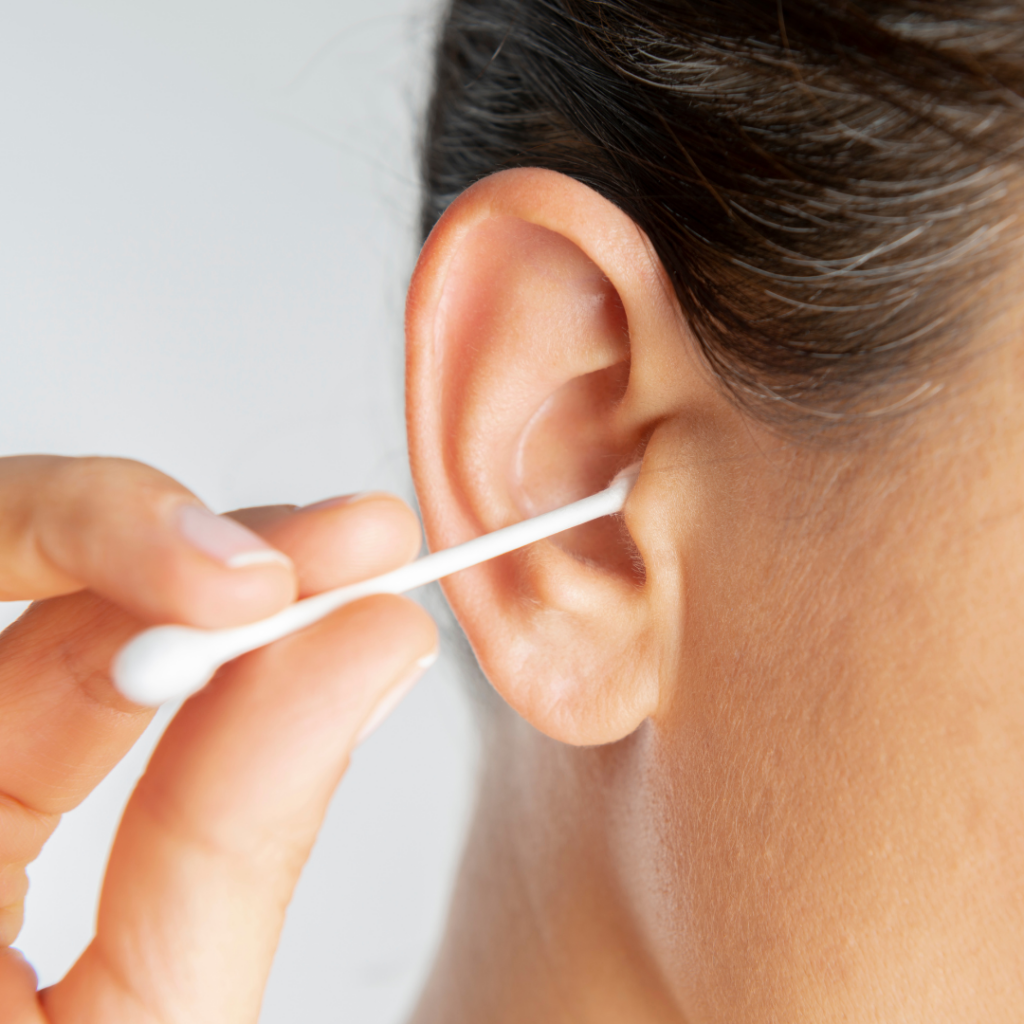
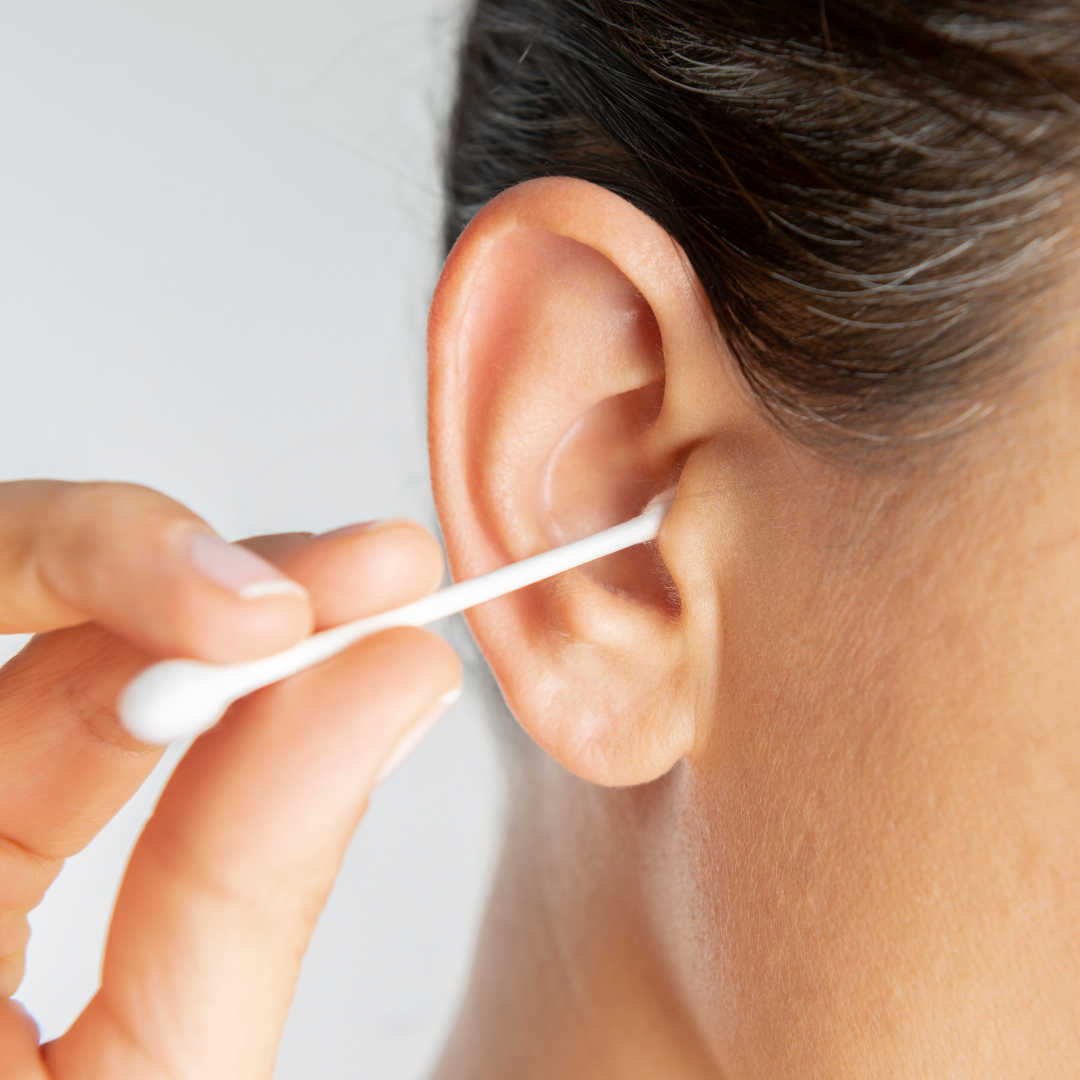
Although cotton swabs appear to offer an easy hygiene solution, pushing them into the ear canal often worsens wax accumulation and risks tissue trauma. Our specialists determine if cerumen warrants clinical clearing and advise on targeted methods designed to protect your hearing health. Ears don’t always need manual cleaning; however, if wax builds up, we can help patients safely remove excess wax.
Understanding the Risks of Using Q-Tips in the Ear
Human earwax, formally designated as cerumen, is a functional secretion rather than unwanted dirt. Cerumen works to entrap airborne particles, deter infectious pathogens, hydrate the auditory canal, and protect thin dermal layers. Routine chewing and epithelial cell migration continuously transport spent wax toward the concha, where it falls out or clears during bathing.
Placing a cotton applicator inside the canal completely interrupts this automated self-clearing cycle. Although the cotton may collect a small amount of wax, it often pushes the remaining material closer to the eardrum. Chronic swab insertion frequently compresses cerumen into a dense impaction, triggering a sensation of aural fullness that invites improper cleaning cycles.
Cotton applicators are suitable for tracing the exterior folds of the ear, but they must remain entirely outside the canal opening.
Mechanical Trauma: Risks of Cotton Swabs in the Ear
The epidermal tissue coating the ear canal is thin and tears under minimal friction. Minor physical scratches induce pain, trigger localized bleeding, and invite bacterial colonization, increasing outer ear infection rates. A cotton tip may also detach and remain inside the canal.
Common mechanical traumas from swabs include:
- Cerumen driven into deep obstructive impactions
- Epithelial lacerations, inflammation, erythema, or bleeding
- Pathogenic infection involving the ear canal
- Retained cotton tips or foreign debris inside the canal
- Tympanic membrane perforation or tear
- Damage to the tiny acoustic middle-ear bones
- Transient or irreversible shifts in hearing thresholds
- Acute tinnitus, vertigo, or intense otalgia
Even though major trauma is uncommon, someone bumping your arm, a sudden hand slip, or deep over-insertion can cause severe damage.
How Often Should Earwax Get Removed?
The majority of individuals do not require routine or scheduled cerumen extraction. Physiologically stable ears continuously migrate wax outward, while standard showering takes care of the visible ear. Overzealous hygiene parches canal tissue, incites chronic irritation, and increases vulnerability to bacterial infection or deep plugs.
Clinical clearing is warranted if cerumen occludes the auditory pathway, prevents diagnostic evaluation of the eardrum, affects a hearing aid, or sparks discomfort.
What Are Safe Ways to Remove Earwax At Home?
In the absence of earwax symptoms, allowing natural physiological clearance is universally the safest strategy. Simply cleanse the external ear using a damp, gentle washcloth, allowing the internal canal to clear independently.
Should cerumen require breakdown, our team may recommend commercial cerumen-removal drops or formulas featuring saline, mineral oil, glycerin, or carbamide peroxide. Apply only the specified dosage and never exceed the designated application duration outlined on the label. Discontinue the product right away if you encounter otalgia, severe dizziness, contact dermatitis, or aggravating symptoms.
Performing irrigation at home is unsafe for certain individuals and must only proceed after a clinician verifies ear safety and explains the protocol. Never attempt to flush your ear canal with a pressurized dental water irrigator. Avoid ear candles, metal scoops, camera-guided tools, hairpins, and home suction devices. These products may burn, cut, puncture, or push wax farther inward.
When to Seek Audiological Care for Cerumen Impaction
Schedule a professional visit if the canal remains occluded after softening treatments, cerumen appears deeply lodged, or home remedies fail. Clinical extraction is strongly recommended for patients unable to remain motionless, those with stenotic canals, hearing aid users, or individuals with surgical histories that contraindicate drops or flushing.
Arrange an immediate clinical evaluation for:
- Persistent otalgia, stubborn itching, or painful sensitivity around the ear
- Visible blood, purulent discharge, clear fluid drainage, or offensive ear odors
- Elevated body temperature or edema surrounding the ear structures
- Newly developing ringing in the ears or balance disturbances
- Sudden hearing drops or auditory deficits that remain after wax removal
- Any concern of a ruptured eardrum or detached cotton swab tip
- Recurrent wax blockages that compromise hearing aid performance
Treat sudden hearing loss in one ear as a medical emergency rather than assuming it’s wax. Rapid audiological testing differentiates simple cerumen obstruction from serious, time-sensitive inner ear disorders.
In-Office Procedures for Clearing Earwax Blockages
First, we inspect the auditory canal under otoscopic or microscopic visualization to confirm wax occlusion and rule out infections, tissue trauma, or eardrum perforations. The safest removal method depends on wax consistency, canal anatomy, medical history, previous surgery, and the patient’s ability to tolerate the procedure.
Standard clinical removal options include:
- Wax-softening drops before or during the appointment
- Controlled ear flushing using warm, body-temperature water on intact eardrums
- Gentle micro-suction performed under clear binocular visualization
- Mechanical extraction using sterile ear loops, specialized curettes, or micro-forceps
Operating under direct magnification allows the clinician to avoid sensitive canal walls and halt instantly if the patient experiences pain. Patients presenting with dry or tightly impacted wax may require a combination of these clinical approaches. Following cerumen extraction, a complete post-procedure examination verifies that the canal epithelium and tympanic membrane are intact. If post-cleaning symptoms such as fullness, tinnitus, unsteadiness, or hearing reduction persist, specialized testing can locate the primary cause.
Book a Professional Earwax Evaluation and Removal
If your ears feel blocked or your hearing has changed, schedule an evaluation with us instead of reaching for a Q-Tip. The diagnostic session entails reviewing your symptom timeline, past otologic procedures, hearing aid usage, past home treatments, and risk factors for recurring cerumen. Contact us now to schedule an appointment for comprehensive, expert earwax removal.