
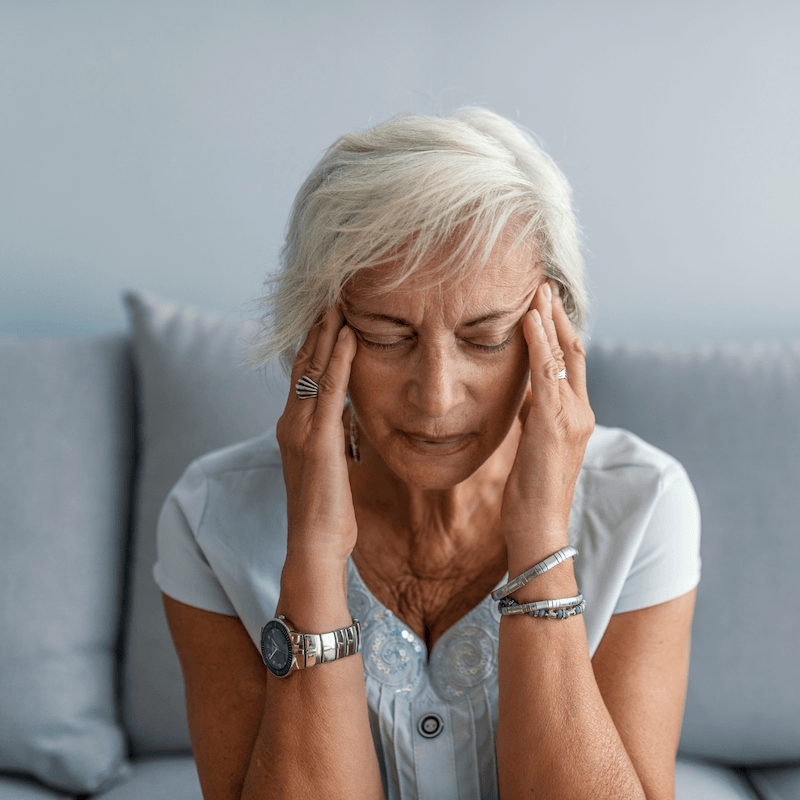
Classic head pain is not present in every migraine variant; specifically, a vestibular migraine disrupts vestibular balance, motion tolerance, and spatial navigation. Our ENT practice evaluates recurrent dizziness to diagnose whether a vestibular migraine or an alternative balance disorder is the primary cause. Establishing appropriate migraine treatment depends on recognizing presenting symptoms and communicating these patterns to your healthcare team.
Understanding the Clinical Differences Between Vestibular and Regular Migraines
Typical migraine attacks and vestibular migraines share the same neurovascular pathology, but their primary presenting symptoms differ. A typical migraine attack often centers on moderate to severe head pain that may be one-sided, pulsating, and aggravated by normal activity. Patients frequently report concurrent symptoms including nausea, heightened light sensitivity, sound intolerance, and classical visual aura.
Vestibular migraine characteristically triggers episodes of spinning vertigo, persistent dizziness, unsteadiness, and motion intolerance. Headache may occur, but it is not required during every vestibular episode. Flare-ups can feature an illusory sensation of internal or environmental spinning, head-movement-induced dizziness, and visual vertigo in crowded spaces.
Diagnostic criteria specify that qualifying vestibular episodes typically span between five minutes and 72 hours. Symptoms can vary from one attack to the next, making the connection to migraine less obvious than it is with recurring head pain.
Pathophysiology: What Triggers and Causes Vestibular Migraines?
A solitary physiological defect has not been proven to cause vestibular migraine on its own. This balance condition appears to reflect shared neurological circuits that modulate migraine signals and vestibular equilibrium data. A personal or family history of migraine and longstanding motion sensitivity may increase susceptibility.
Typical episode triggers encompass the following:
- Fluctuating sleep cycles or significant sleep deficits
- Inconsistent meal timing, caloric restriction, or insufficient water intake
- Emotional stress or recovery after stress
- Menstrual or other hormonal changes
- Harsh glare, strobe lighting, or visually overwhelming public spaces
- Extended vehicle travel, dynamic physical movement, or fast smartphone screen scrolling
- Ingestion of alcoholic beverages, artificial sweeteners, or patient-specific dietary triggers
- Significant changes in barometric weather pressure or acute environmental overstimulation
Detailed Symptom Breakdown: Vestibular vs. Regular Migraine
Although typical migraines are known for throbbing headaches, the disease encompasses a broad constellation of symptoms beyond pain. An individual may endure nausea, vomiting, transient visual aura, extreme fatigue, cognitive impairment, neck stiffness, and sensory hypersensitivity.
Vestibular migraine may include:
- Illusory rotational spinning or non-spinning disequilibrium
- Chronic postural instability, dysequilibrium, or sudden loss of balance
- Dizziness triggered or aggravated by rapid head turns or tilting
- Motion-induced nausea or severe motion sickness
- Intolerance to optic flow, including digital screens, moving highway traffic, crowded venues, or striped patterns
- A sensation of rocking, tilting, floating, or being pulled
- Heightened photophobia, phonophobia, or generalized visual sensitivity
- Head pressure or migraine-type headache
- Reversible aural pressure, sensations of blocked ears, or transient tinnitus
Clinical chronicity, attack longevity, and identifiable triggers assist in separating vestibular migraine from alternative vestibular diseases. New dizziness with weakness, numbness, difficulty speaking, double vision, fainting, or an inability to walk requires urgent medical assessment.
Experiencing Vestibular Symptoms and Migraine Headaches Simultaneously
Yes, this frequently happens. Vertigo and a migraine headache can occur during the same attack. Vestibular symptoms may precede the headache as an aura, emerge during peak cephalalgia, linger after the pain resolves, or occur during entirely isolated episodes. Over time, patients may see their symptoms fluctuate between traditional headache attacks and balance-dominant episodes.
A vestibular episode does not need to include headache to be related to migraine. Documenting flare-ups in a symptom diary illuminates subtle patterns that might otherwise be forgotten during doctor visits. Track the exact duration of dizzy spells, headache traits, light and sound sensitivities, menstrual dates, sleep patterns, meals, suspected triggers, and pharmaceutical outcomes. Having this documented history enables your clinician to formulate a significantly more accurate diagnosis.
Establishing a Vestibular Migraine Diagnosis: Testing and Criteria
There is no solitary laboratory blood test, radiographic imaging study, or vestibular exam that definitively diagnoses vestibular migraine. The diagnostic pathway commences with an in-depth clinical interview regarding attack presentations and personal migraine history. Established diagnostic criteria demand at least five moderate or severe balance episodes lasting five minutes to 72 hours, with concurrent migraine symptoms present in at least half of them.
We conduct extensive examinations encompassing cranial nerve screening, videonystagmography eye-movement analysis, otoscopic checks, hearing tests, and balance metrics. Based on your presenting symptoms, clinical testing may involve diagnostic audiometry, Dix-Hallpike positional testing, vestibular function studies, or MRI imaging. These evaluations provide the objective data needed to isolate or rule out alternative medical issues causing comparable dizziness. This clinical diagnosis is finalized only when your symptom history matches validated criteria and no other vestibular disorder better accounts for the findings.
What Treatments Are Available for Vestibular Migraines?
Care plans are individualized to match your specific attack frequency, symptom severity, comorbid headaches, general medical background, and medication tolerances. Most individuals find the greatest relief through an integrated regimen combining daily preventive protocols with an acute rescue plan.
Our clinical team formulates a personalized care program that can include:
- Adhering to predictable sleep cycles, regular meal timing, daily hydration targets, and steady physical activity
- Identifying and mitigating specific individual dietary, visual, or physiological triggers
- Stress-management or behavioral strategies
- Prescribing targeted rescue medications for acute nausea, motion sickness, and related distress
- Conservative, short-term application of prescription vestibular suppressants for acute episodes
- Preventive medicines such as beta-blockers, calcium channel blockers, topiramate, certain antidepressants, or other migraine therapies
- Dedicated vestibular rehabilitation therapy for managing long-term motion sensitivity, visual vertigo, and imbalance
Prescription vestibular suppressants must be used with caution, as continuous dosing induces significant sedation and inhibits central vestibular compensation. All prescription decisions must be established alongside our clinical team rather than borrowed from someone else’s treatment protocol. Clinical stabilization often involves gradual pharmacological adjustments alongside diligent, long-term symptom logging.
Request a Clinical Evaluation for Vestibular Migraine
Should frequent vertigo episodes, persistent unsteadiness, or motion intolerance interfere with your life, book an appointment with our specialists. The initial visit features an in-depth review of migraine history, health factors, and therapeutic aims, paired with diagnostic exams to rule out BPPV, Ménière’s disease, and competing vestibular conditions. Contact us to request a vestibular migraine appointment.